First Nations
New Resources Support Climate-Resilient Renewable Energy Projects in Rural BC

As rural and remote communities across British Columbia explore local renewable energy solutions, climate resilience needs to be part of the conversation from the beginning. Community-scale solar and biomass projects can support local energy security, reduce emissions and create opportunities for community leadership and economic development. At the same time, these projects may be exposed…
Read MoreCariboo Chilcotin Forestry Leaders Unite Around Regional Solutions

More than 60 forestry, Indigenous, government and economic development leaders gathered in Williams Lake on July 23 for the Cariboo Chilcotin Forestry Forum, hosted by the City of Williams Lake. The forum focused on practical solutions to strengthen the region’s forest economy, support sustainable jobs, improve wildfire resilience and advance long-term forest stewardship. Participants emphasized…
Read MoreWhat Canada’s Rural Development Action Plan Consultation Means for Rural British Columbia

The federal government’s recent summary of themes from the Rural Development Action Plan consultation outlines priorities that align closely with many of the challenges and opportunities facing rural British Columbia. Housing, broadband, local economies, health and childcare, climate resilience, Indigenous-led development, and streamlined, place-based funding emerged as top themes, and each presents actionable opportunities for…
Read MoreUnlocking Rural Resilience: How Collective Ownership is Shaping Our Energy Future

At the BC Rural Centre, we are always looking for innovative ways to help our communities thrive in a changing climate. Recently, we had the privilege of being invited to participate in a pivotal research project led by the Pacific Institute for Climate Solutions (PICS). This collaboration focused on a critical question for rural B.C.:…
Read MoreThe Forest Will Burn

In Canada, forests burn regardless of human presence. In the face of climate changing, natural cycles of forest wildfires are being affected in ways we don’t yet understand. We must therefore prepare our communities as best we can through improved forest management techniques. Besides, utilizing the byproducts from sustainable and responsible forest management techniques –…
Read MoreBudget 2026 – The Good, The Bad, & The Ugly

The quick context Budget date: Feb 17, 2026. Provincial operating spending up $3.9B over the plan; deficits: $13.3B (2026/27), $12.2B, $11.4B. Taxpayer‑supported capital $37.7B over three years; taxpayer‑supported debt rising to ~$189B by 2028/29 (Budget tables summary, Part 1, pp.1–2, 11–12, 17). 2026_Budget_and_Fiscal_Plan The good (positive for rural, remote & First Nations): First Nations equity…
Read MoreIllahee: Bears

In Indigenous cultures, bears play a significant role. For the Haíɫzaqv (Heiltsuk) Nation, bears uphold the laws of their ancestors, helping preserve language, traditions, and values. In the ecosystem, bears help feed the birds, nourish the soil, and sustain the growth of the forest. Illahee means “our lands and our place within them” in Chinook…
Read MoreThe State of Rural Canada
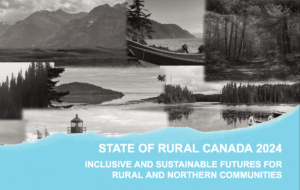
The State of Rural Canada report provides a comprehensive overview of the diverse challenges and opportunities facing rural, remote, and northern communities across the country. While each region has its unique context, several overarching themes emerge from this fifth version of the report that paint a picture of rural Canada as a complex mosaic of…
Read MoreGetting the most out of B.C.’s challenged wood fibre base
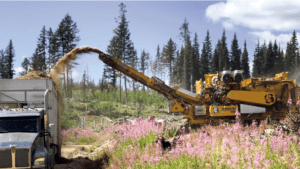
It was in early-2023 when British Columbia Premier David Eby announced the Forest Enterprise Society of B.C. (FESBC) was to receive an additional $50 million in funding for forest enhancement projects in the province. The focus of the funding was to be on creating a higher level of wood utilization for wood fibre and wildfire…
Read MoreStudy on Supply Chain and Community Benefits of the Forest Sector

A new economic study focusing on local communities across BC was released today by the BC Council of Forest Industries (COFI). This study highlights the vital role of British Columbia’s forestry industry, as it touches so many communities across the province and employs British Columbians in a wide array of jobs. In 2022, the forestry…
Read More