Government
Rural Resident Retention and Attraction Guidebook

Introduction to Rural Resident Retention and Attraction What is Resident Retention and Attraction? Resident retention and attraction (RRA) initiatives position communities to address issues associated with population size (e.g., low or declining number of residents) or population composition (e.g., aging population) — whether that be a shortage of skilled workers, low school enrolment, or a…
Read MoreSupporting Rural and Remote Economies: What Canada Must Do Now
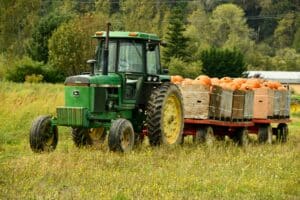
Rural, remote, and northern regions are important and should be supported, not just because of their economic contributions (they contribute to over a quarter of Canada’s GDP) but because people in all parts of Canada should have similar levels of well-being. This is fundamental to our nation’s territorial cohesion. Accordingly, there is a lot of…
Read MoreHistoric investment of $83 million in water storage for farmers and ranchers
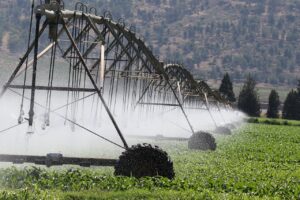
VICTORIA, B.C. – February 22, 2024: Today, British Columbia’s Finance Minister, the Honourable Katrine Conroy, unveiled the government’s budget for the 2024 fiscal year which included a historic investment of $83 million in water storage for B.C. farmers and ranchers. Recent climate events have stressed supplies of safe, reliable water in multiple regions of the…
Read MoreThe Clean Economy – Preventing Plastic Waste and Pollution

The Province continues to take action to support the clean economy by preventing plastic waste and pollution. People will not receive items like cutlery and condiments unless they need them and can expect to see options that support a healthier environment and cleaner economy. “We want to ensure people have the best options available to effectively…
Read MoreStrongerBC for everyone – Investing in Rural Communities
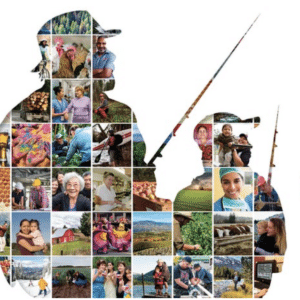
The B.C. government has released StrongerBC: Good Lives in Strong Communities, a new vision that outlines investments to help build a brighter future for rural communities and the people who call them home. “If you’re looking for people to help cut through the noise and get a job done, my bet will always be on…
Read MoreNew and Improved Public Spaces and Tourism Experiences
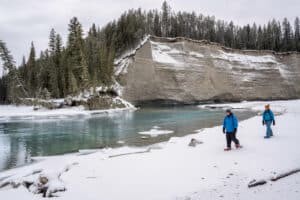
The Government of Canada is making investments across British Columbia to refresh community spaces, attract new visitors, and stimulate local economies Safe and inclusive public spaces and dynamic tourism attractions are key to vibrant communities. They bring together people of all ages and abilities, in turn supporting businesses and boosting economic vitality. Throughout the East…
Read MoreTop Takeaways from BC’s Budget 2022
The province has released the 2022-23 budget, outlining the NDP’s spending priorities for B.C. Though the budget is largely business as usual, there are some key takeaways to focus on. 1. Deficits in the years ahead This year’s deficit is projected to be $483 million, a dramatic reduction from the projected $9 billion back in…
Read MoreHow to Encourage More Family Doctors

A commentary by a family doctor in Saanich: Never, in my 20 years of practice in B.C., have I seen family medicine in crisis as it is now. Trust me, it is not a new issue. Dr. Jennifer Lush I am beginning to think I know how the dinosaurs felt, watching the comet hurtle towards…
Read MoreMore Funding, Better Use of Indigenous Practices Could Prepare Communities for Future Crises

First Nations and Indigenous communities in Canada need more support from the federal government to cope with future disasters related to climate change, according to a new report on Canada’s disaster resilience. Although people living in these communities are more likely to experience climate-related disasters, experts say not enough is being done to help them plan…
Read MoreLocal Immigration: Assessing the Policy Capacity of Smaller Communities

Who should decide whether a smaller community is ready to welcome foreign-born residents? Who should participate in the design and implementation of a local immigration strategy? There has been an increasing policy interest in encouraging immigration settlement in smaller communities, as evidenced by the introduction of Rural and Northern Immigration pilots and soon-to-be Municipal Nominee…
Read More