Connecting Industries to Strengthen Rural Well-being
A Rural Coordination Centre of BC (RCCbc) initiative. Through the Rural Health Learning Collaborative, the Linked Sectors refers to non-profit organizations and private industry partners that operate outside the traditional clinical healthcare system but directly impact community health.
We represent the sixth "Plus" partner in RCCbc's Partnership Pentagram Plus (PPP) framework.
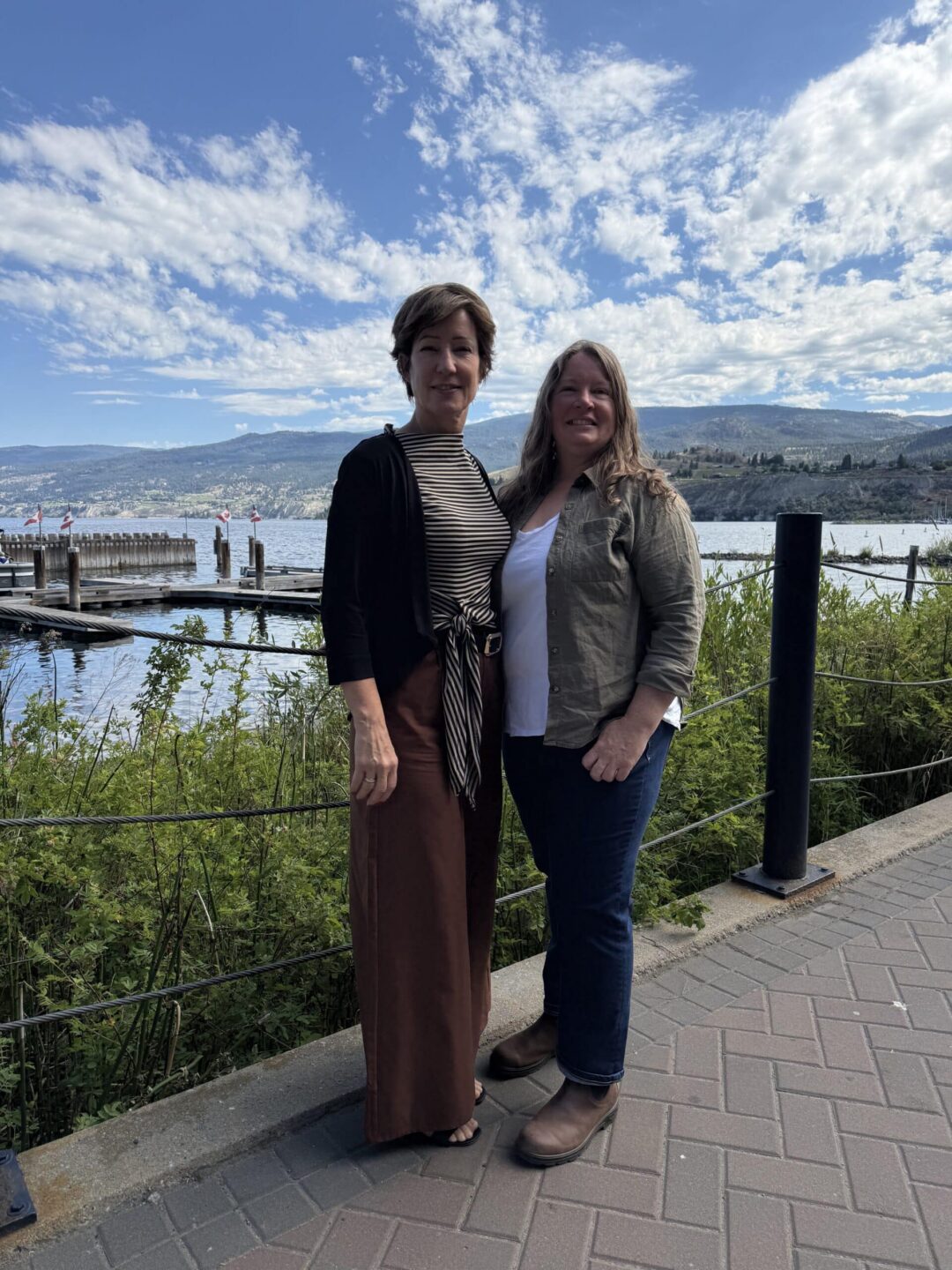
The Co-Chairs of the Linked Sectors
Institute for Health System Transformation and Sustainability (IHSTS) - Kathleen Chounior, CEO
BC Rural Centre (BCRC) - Sarah Sinclair, Executive Director
The Vision
Rural health is more than just doctors and hospitals; it is built on the foundation of healthy, connected communities. The Rural Health Linked Sectors initiative brings together leaders from across essential industries, including housing, transportation, technology, education, and economic development, to bridge the gap between traditional healthcare delivery and the broader social determinants of health.
By aligning these sectors, we aim to build resilient, integrated support systems that allow British Columbians in rural and remote areas to thrive.
It has been a genuine pleasure to participate in the Linked Sectors group and to learn from the diverse perspectives, experiences, and expertise represented around the table. I have greatly appreciated the opportunity to engage in thoughtful discussions and presentations that highlighted both the successes being achieved in rural and remote communities and the challenges that continue to require innovation, collaboration, and shared commitment. The conversations have consistently been insightful, and I have valued the chance to contribute to such an important dialogue.
One of the things I have admired most about the Linked Sectors group is its ability to bring together organizations from different sectors, backgrounds, and areas of expertise. I truly believe that this collaborative approach helps foster innovation, encourages new ways of thinking, and creates opportunities to improve health and wellbeing for people living in rural, remote, and underserved regions. The work being done through these partnerships is important, and I am encouraged by the commitment and passion I have seen from everyone involved.
Thank you for welcoming me into this community and for the many opportunities to learn, contribute, and connect with such dedicated colleagues. I have sincerely enjoyed being part of the group and watching its continued growth and impact.
Leza Muir
Pacific Blue Cross
The Linked Sectors group creates a valuable space to connect with people who bring different experiences and perspectives to rural health. I’ve come away from each conversation with a better understanding of the challenges rural communities face, and new ideas about how organizations and communities can work together to address them. The shared commitment around the table gives me confidence that cross-sector collaboration can make a meaningful difference for people living in rural and remote BC.
— Sarah Sinclair, Co-Chair of the Linked Sectors Table

Why Join?
The challenges facing rural communities are complex and interconnected. Isolated solutions are no longer enough. Our initiative provides a collaborative platform to:
- Foster Cross-Sector Partnerships: Connect with professionals from outside the healthcare silo to solve shared community challenges.
- Share Innovative Practices: Learn from successful pilot projects, such as integrated personal health records and community-based health models.
- Influence Policy & Strategy: Contribute your industry’s expertise to inform rural health advocacy and government planning.
- Enhance Community Resilience: Work together to create sustainable systems that address the unique needs of rural and remote BC.
Get Involved
Upcoming Events
Join our upcoming Rural Health Linked Sectors Meeting to connect with peers and help shape our collaborative strategy.
- Date: January 19th, 2027
- Time: 2:00 PM
- Location: Virtual - Zoom link to come
Stay Informed
Sign up for our newsletter to receive updates on working groups, policy insights, and upcoming cross-sector events.

Resources
Explore our library of research, session recordings, and case studies highlighting innovative solutions for rural BC.
For inquiries or to learn more about joining our steering committee, please contact us at sarah@bcruralcentre.org
Focus Areas
Equitable access to health care in rural and remote B.C.
Our shared goal is equity in access to health care for people across rural and remote British Columbia.
Equitable access means more than having a service nearby. People need care that is timely, affordable, coordinated, culturally safe, and reachable. Rural communities also need service models and funding that reflect their geography and circumstances.
What we heard
The Linked Sectors engagement survey points to connected priorities for working toward this goal.
87.5% · A stable rural health workforce
Recruiting and retaining doctors, nurses, practitioners, and other health professionals was the clearest priority. Sustainable rural practice also depends on supportive working conditions, community infrastructure, and reliable emergency backup.
62.5% · Timely, local primary care
Respondents prioritized access to ongoing local care, available appointments, and services that meet community needs—not simply whether a provider or clinic is listed as available.
50% · Transportation and practical access
Distance, travel costs, appointment coordination, and getting home safely after care can all affect whether a service is genuinely accessible.
Connected priorities
Emergency care and system resilience
Respondents raised concerns about emergency response, service closures, transport delays, and limited backup capacity. These challenges are closely connected to geography, workforce stability, and equitable access.
Connected, community-based care
Responses pointed to better coordination across health care, transportation, social services, and community supports. Mobile services, home supports, and virtual care may all help—but virtual care is not a substitute for local services.
Rural voice, fair decision-making, and accountability
Participants called for rural-specific funding and service planning, stronger community input, and meaningful public reporting. Equal treatment does not always produce equitable access when communities face different distances, populations, and resources.
Keep the picture open
Mental health and substance-use services, Indigenous perspectives and cultural safety, and the experiences of patients and caregivers were less visible in the survey responses. Linked Sectors can help bring these voices into future conversations.
Survey findings are early signals from a small, partially completed survey. They can help guide discussion, but should not be treated as representative of all rural communities.
Help Shape the Conversation
Rural health is shaped by the people who live, work, and provide care in rural communities. Your ideas and experiences can help make the conversation more relevant and inclusive.
Share what matters to you:
Contribute an idea — Tell us what topics or opportunities Linked Sectors should explore.
Suggest a speaker — Recommend someone with knowledge or lived experience to bring to the conversation.
Share your rural health story — Let us know what accessing or providing care is like in your community.
Learn more about us — Find out about Linked Sectors, our purpose, and how we bring people and organizations together.
Have something to share or a question for us?
Get in touch